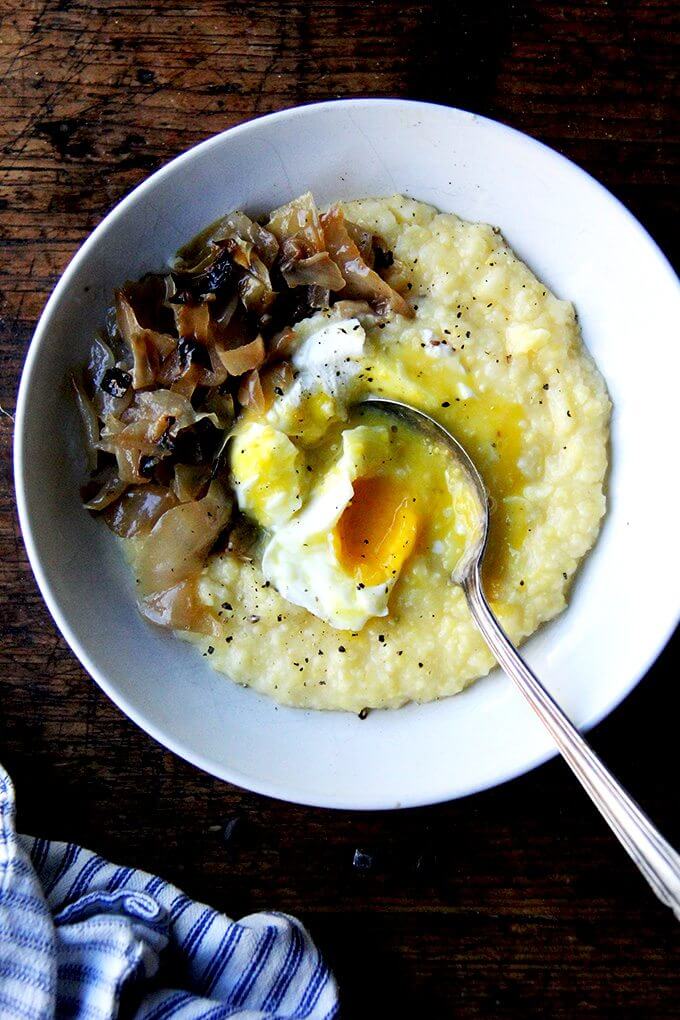
Easy Oven-Baked Polenta: Your New Favorite Make-Ahead Marvel
Polenta, that comforting dish made from boiled cornmeal, often conjures images of endless stirring at the stovetop, a labor of love that can deter even the most enthusiastic home cooks. But what if we told you there’s a much simpler, largely hands-off method that yields equally creamy, delicious results – with the added bonus of being a versatile make-ahead dish? Enter the wonderful world of
oven-baked polenta. This culinary revelation takes the fuss out of traditional preparation, allowing the oven to do most of the work, while you focus on the delicious possibilities it presents for your next meal.
From a rustic side dish to an elegant appetizer or even the foundation of a hearty main course, oven-baked polenta is a true kitchen hero. Its mild, earthy flavor is a blank canvas, eager to absorb the rich tastes of cheese, herbs, and savory sauces. And the best part? You can prepare it in advance, making it an ideal choice for busy weeknights, weekend brunches, or stress-free entertaining.
Why Choose Oven-Baked Polenta? The Hands-Off Approach to Creamy Perfection
The most compelling reason to embrace oven-baked polenta is undoubtedly its sheer convenience. Traditional stovetop polenta demands constant vigilance and vigorous stirring to prevent lumps and sticking, a process that can tie you to the stove for 30-60 minutes. The oven method, however, liberates you from this chore.
By simply combining your liquid and cornmeal in a baking dish and letting the oven work its magic, you achieve a consistently creamy, tender texture without the manual labor. The slow, even heat of the oven allows the polenta grains to hydrate thoroughly and swell, resulting in a perfectly cooked dish every time. This hands-off approach also frees up precious stovetop space, which is invaluable when preparing multiple components for a meal. Moreover, the even heat distribution often means a beautifully golden, slightly firmer crust can develop on the surface, adding another layer of textural delight. It truly transforms what can be a demanding recipe into an effortless culinary triumph, making it perfect for those who appreciate both flavor and efficiency in the kitchen.
The Essential Recipe: Crafting Your Perfect Oven-Baked Polenta Foundation
Building a delicious oven-baked polenta starts with a solid foundation. While the concept is simple, a few key steps ensure a consistently perfect outcome. This basic recipe will guide you to a creamy, flavorful base ready for any enhancement. For even more detailed guidance on achieving perfect results every time, explore our dedicated article on
Mastering Oven-Baked Polenta: Simple Steps for Great Taste.
Ingredients:
- Butter (for greasing the dish and foil)
- 2 quarts (8 cups) stock (vegetable, chicken, or beef) or water
- 1-2 teaspoons salt (to taste, depending on stock salinity)
- 12 ounces (about 2 cups) medium-grind polenta meal (not instant)
Equipment:
- Shallow 2½- to 3-quart baking dish
- Large heavy-bottomed saucepan
- Sturdy wooden spoon or whisk
- Aluminum foil
Instructions:
- Prepare Your Dish: Generously butter the entire inside surface of your baking dish. This prevents sticking and adds an extra layer of flavor. Set aside.
- Simmer the Liquid: In your large saucepan, combine the stock or water with salt. Bring the liquid to a gentle simmer over medium-high heat.
- Preheat Oven: While the liquid simmers, preheat your oven to 350°F (175°C).
- Incorporate Polenta: Once the liquid is simmering, remove the saucepan from the heat. Gradually and slowly pour the polenta meal into the hot liquid in a steady stream, while simultaneously stirring rapidly with a wooden spoon or whisk. This crucial step prevents lumps and ensures the polenta begins to hydrate evenly. Continue stirring for about 1-2 minutes until no dry clumps remain.
- Brief Stovetop Thickening: Return the saucepan to medium heat. Continue to stir constantly in the same direction, slowly bringing the mixture back to a boil. Allow it to boil gently for about 5 minutes, continuing to stir. This initial stovetop cooking helps the polenta thicken slightly before going into the oven, preventing it from separating and ensuring a smoother final texture.
- Transfer and Cover: Pour the hot polenta mixture into your prepared buttered baking dish, spreading it evenly. Tear off a piece of aluminum foil large enough to cover the dish completely. Butter one side of the foil generously, then place the buttered side down directly onto the surface of the polenta. This creates a seal that traps moisture and prevents a skin from forming, ensuring a creamy top layer.
- Bake to Perfection: Place the covered dish in the preheated oven and bake for 1 hour.
- Serve: Carefully remove the dish from the oven. Uncover and serve immediately. The polenta will be tender, creamy, and wonderfully aromatic.
Pro Tips for Polenta Perfection:
- Choose Your Polenta Wisely: Opt for medium-grind polenta for the best balance of texture and cooking time in the oven. While instant polenta is quicker, it won't yield the same depth of flavor or satisfying texture. Coarse-grind polenta might require a slightly longer baking time and more liquid.
- Flavorful Liquid is Key: Using a high-quality stock instead of just water will significantly enhance the depth of flavor in your polenta. Vegetable stock is excellent for a vegetarian option, while chicken or beef stock adds richness.
- Don't Skimp on Buttering: Buttering the dish and the foil is not just about preventing sticking; it imparts a subtle, creamy richness to the polenta that is simply irresistible.
Elevate Your Dish: Creative Flavor Twists and Toppings
While a basic oven-baked polenta is delicious in its own right, its true magic lies in its versatility. It's a fantastic canvas for a myriad of flavors, allowing you to customize it for any occasion or preference.
Cheesy Indulgence:
The ultimate way to add richness and depth to your polenta is with cheese. Inspired by classic recipes, you can stir in various cheeses during the initial stovetop cooking phase or layer them in the baking dish.
- Classic Italian Mix: Emulate the famous "Crunchy Cheesy Oven-Baked Polenta" by incorporating a blend of tangy Gorgonzola and salty Pecorino-Romano. These strong cheeses melt beautifully, infusing the polenta with an unforgettable zest. For a deeper dive into this specific recipe, check out our guide on Crunchy & Cheesy Oven-Baked Polenta: Recipe & Tips.
- Everyday Favorites: Parmesan, Gruyère, Fontina, or even sharp cheddar can be stirred in for a more familiar, comforting profile. Add about ½ to 1 cup of grated cheese during step 5 (the stovetop thickening) to ensure it melts thoroughly.
- Creamy Boost: For an extra luxurious texture, stir in a dollop of mascarpone or cream cheese just before baking, or even a splash of whipping cream as suggested by some recipes.
Aromatic Additions:
Infuse your polenta with herbs and aromatics for a sophisticated touch.
- Fresh Herbs: Finely chopped rosemary, thyme, sage, or oregano can be stirred into the polenta mixture before baking. Their earthy notes pair wonderfully with cornmeal.
- Roasted Garlic & Caramelized Onions: Sautéed or roasted garlic, caramelized onions, or even sun-dried tomatoes (chopped) can be folded into the polenta for bursts of concentrated flavor.
- Spices: A pinch of smoked paprika, a dash of white pepper, or a touch of nutmeg can add subtle complexity without overpowering the dish.
Textural Delights & Crunchy Toppings:
Adding texture can transform your polenta from creamy to captivating.
- The Crunchy Crust: For that irresistible crisp exterior, remove the foil during the last 10-15 minutes of baking, or even place the dish under the broiler for 3-5 minutes (watching carefully!) until the top is golden brown and bubbling. A sprinkle of Italian-style panko breadcrumbs mixed with some grated Parmesan cheese over the top before broiling will yield an incredible crunch.
- Nutty Notes: Toasted pine nuts or chopped walnuts sprinkled on top after baking provide a lovely contrasting crunch.
Sweet Polenta for Breakfast or Dessert:
Don't limit polenta to savory dishes! A slightly sweetened version makes for a delightful breakfast or light dessert. Stir in a tablespoon or two of sugar, a pinch of cinnamon, and a splash of vanilla extract into the liquid before adding the polenta. Serve with fresh berries, maple syrup, or a fruit compote.
Versatile Serving: From Elegant Appetizer to Hearty Main
One of the greatest attributes of
oven-baked polenta is its incredible adaptability on the dining table. It seamlessly transitions from a humble side to an impressive centerpiece.
As an Appetizer:
Once baked and slightly cooled, polenta firms up enough to be cut into various shapes – squares, diamonds, or even rounds using a cookie cutter.
- Crostini Style: Top warm polenta squares with a dollop of marinara sauce, pesto, olive tapenade, or a medley of sautéed mushrooms. A sprinkle of fresh herbs or grated cheese elevates the presentation.
- Fried Bites: For a delightful crunch, pan-fry cooled, cut polenta pieces in a little olive oil until golden brown. Serve with a dipping sauce or a sliver of cured meat.
The Perfect Side Dish:
Polenta is a natural companion to a wide array of proteins and vegetables.
- Grilled Meats: Its creamy texture perfectly complements the robust flavors of grilled steak, roasted chicken, or pan-seared fish.
- Hearty Stews and Roasts: Serve alongside rich beef bourguignon, slow-cooked lamb shanks, or a rustic vegetable stew. The polenta soaks up all the delicious juices.
- Roasted Vegetables: A simple pairing with roasted asparagus, broccoli rabe, or balsamic-glazed Brussels sprouts creates a satisfying and wholesome meal.
A Satisfying Main Course:
With a few additions, oven-baked polenta can easily anchor your dinner.
- Layered with Ragu: Spoon a generous portion of your favorite meat ragu (like a slow-simmered Bolognese or a mushroom ragu) over a bed of warm polenta. Top with Parmesan cheese for a comforting and hearty meal.
- With Roasted Vegetables and Fried Egg: For a vegetarian or brunch option, top the polenta with seasonal roasted vegetables and a perfectly fried or poached egg, allowing the yolk to gently coat the creamy polenta.
The Make-Ahead Advantage: Prep, Store, and Reheat Like a Pro
The ability to prepare
oven-baked polenta in advance is a game-changer for meal planning and entertaining. This aspect alone makes it a valuable addition to any cook's repertoire.
Prepping in Advance:
You can assemble your polenta up to the point of baking hours, or even a day, before you plan to serve it.
- Follow the recipe steps through pouring the polenta into the buttered baking dish.
- Instead of baking immediately, allow the polenta to cool completely at room temperature.
- Once cool, cover the dish tightly with plastic wrap or the buttered foil, ensuring no air can get in.
- Store the covered dish in the refrigerator for up to 3-4 days.
Baking from the Fridge:
When you're ready to bake, there's a crucial step to ensure even cooking:
- Remove the covered polenta dish from the refrigerator 10 to 15 minutes before you plan to put it in the oven. This allows it to come slightly closer to room temperature, preventing thermal shock and ensuring the polenta heats through more evenly in the oven.
- Then, simply bake according to the recipe instructions (covered with buttered foil for 1 hour at 350°F/175°C). If adding a crunchy top or broiling, plan for that towards the end of the baking time.
Reheating Leftovers:
Leftover polenta can be just as delightful as freshly baked.
- Oven Reheat: For larger portions, place cooled polenta (still in its baking dish or transferred to an oven-safe dish) covered with foil in a 300°F (150°C) oven until heated through, about 20-30 minutes. You might want to add a tablespoon or two of stock or water before covering to maintain moisture.
- Microwave Reheat: For individual servings, microwave in short bursts, stirring occasionally, until hot. Again, a splash of liquid can help keep it moist.
- Pan-Fried Slices: The best way to revive leftover polenta is to cut it into slices or squares and pan-fry them in a little olive oil or butter until golden brown and crispy on both sides. This method creates a wonderful contrast between the crispy exterior and creamy interior.
Conclusion
Oven-baked polenta truly stands out as a culinary gem, offering an unparalleled combination of ease, versatility, and make-ahead convenience. It liberates you from the constant stirring of traditional methods, delivering a consistently creamy, delicious dish with minimal effort. Whether you're seeking a simple yet elegant side for a grilled steak, a creative appetizer for guests, or a hearty base for a slow-cooked ragu, this hands-off approach to polenta will quickly become a cherished part of your cooking repertoire. So, next time you're planning a meal, remember the magic of oven-baked polenta – a dish that promises both comfort and culinary adventure, effortlessly. Embrace its simple charm and prepare to discover a new favorite for your kitchen.